Ship.com · 2021–2024 · Logistics SaaS
Integrating a live selling product into Ship.com’s shipping platform.
Ship.com acquired a live selling app to grow its market share and needed it to work as part of its shipping platform. As the senior designer at Product Forward, I worked with product, engineering and leadership to integrate the two into one consistent experience, from early workshops and research through to post-release monitoring. The redesign improved retention and onboarding for new users.
- 2 → 1
- products unified into one experience
- UX Lead
- Product Forward (Agency)
- 6 mo
- redesign cycle
- 2021–2024
- Product Forward engagement
- Role
- UX Lead, Product Forward (Agency)
- Team
- Design + PM + 6 engineers
- Tags
- Post-acquisition · Live selling · Retention
Ship.com, a shipping platform, acquired a live selling app to grow its market share, and needed to integrate it into the shipping product. Until then, customers worked across two separate products, with two onboarding flows and two ways of completing related tasks. As the senior designer on the project at Product Forward, I worked with the senior product manager, the engineering lead, the CEO, the head of product and other stakeholders to bring live selling into the shipping platform as one consistent experience.
The challenge
Bringing a newly acquired live selling product into a shipping platform.
The acquisition was intended to increase Ship.com's market share, and that depended on the two products feeling like one. The integration had to keep the strengths of the live selling app while fitting into the workflows that existing shipping customers already relied on, and it had to give new users a clear way in.
Approach
A research-led process, from workshops to post-release monitoring.
The first few weeks were spent organising workshops and research with stakeholders, including empathy mapping, personas and scenarios, and competitive analysis. From there, the work moved through breadboarding, feature scoping and wireframing to high-fidelity design.
Weekly design reviews and feedback loops with the team kept decisions moving throughout the project. After release, session recordings and analytics in FullStory showed how customers were using the new experience and where the design needed refining.
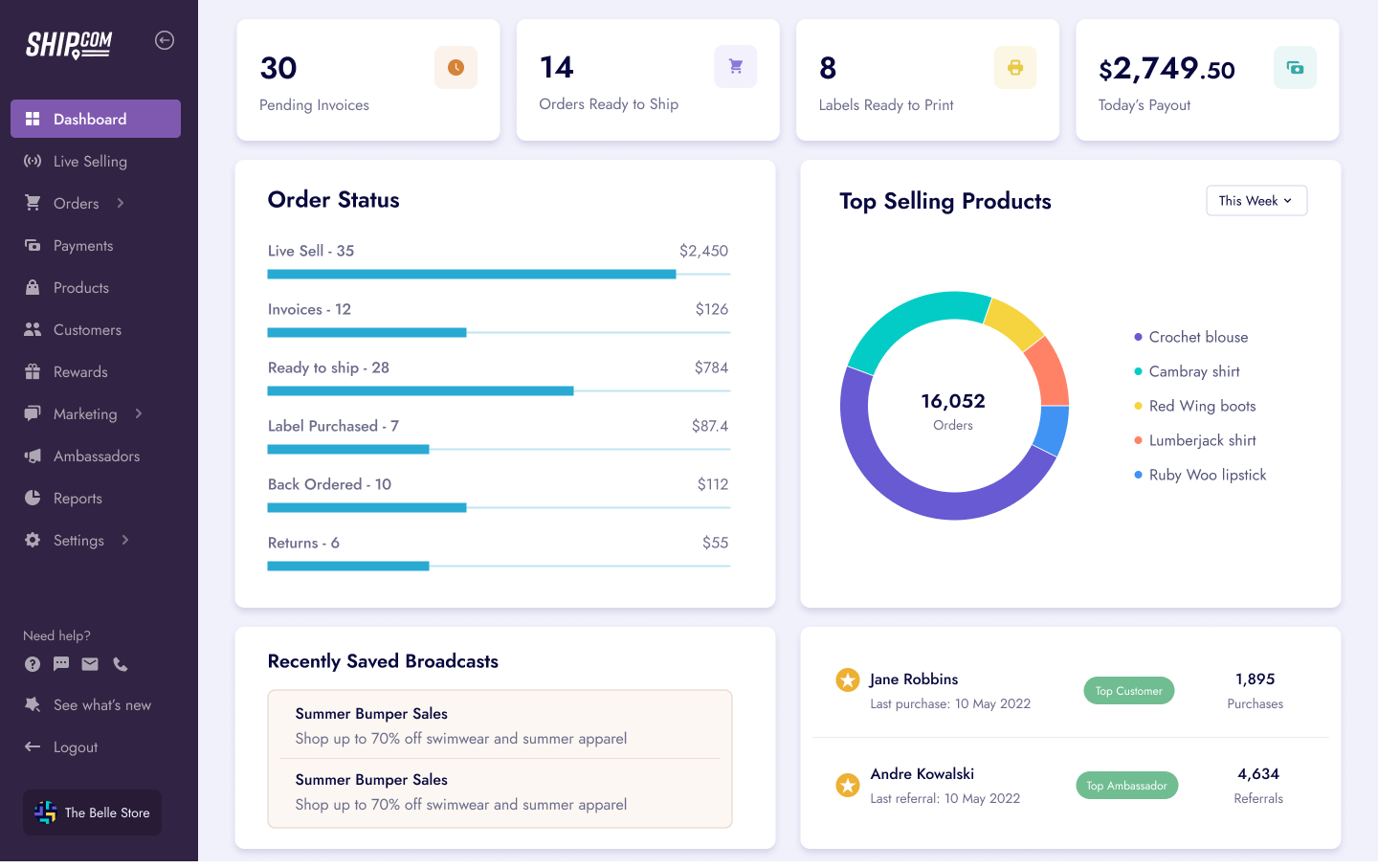 Ship.com dashboard before redesign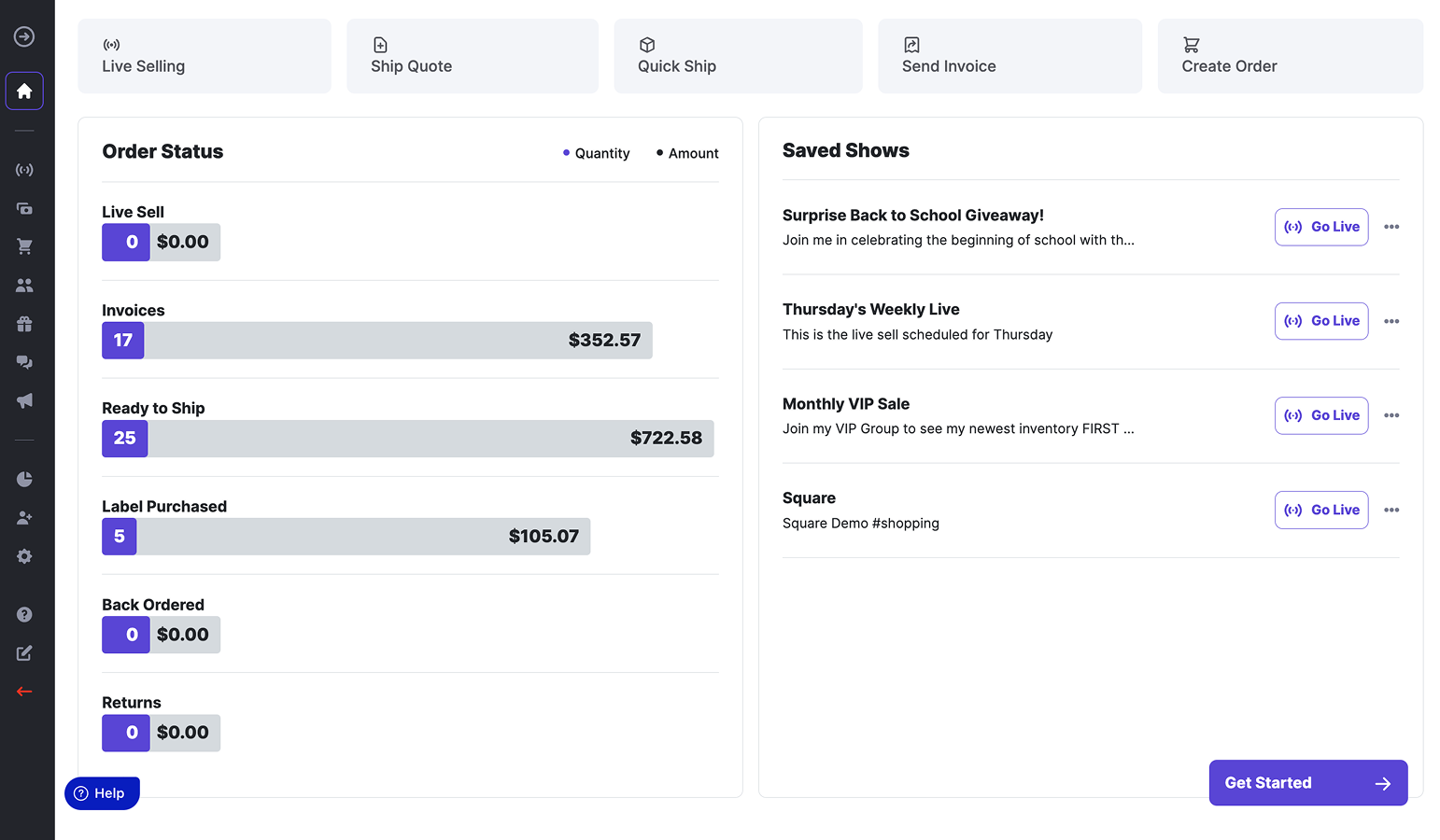
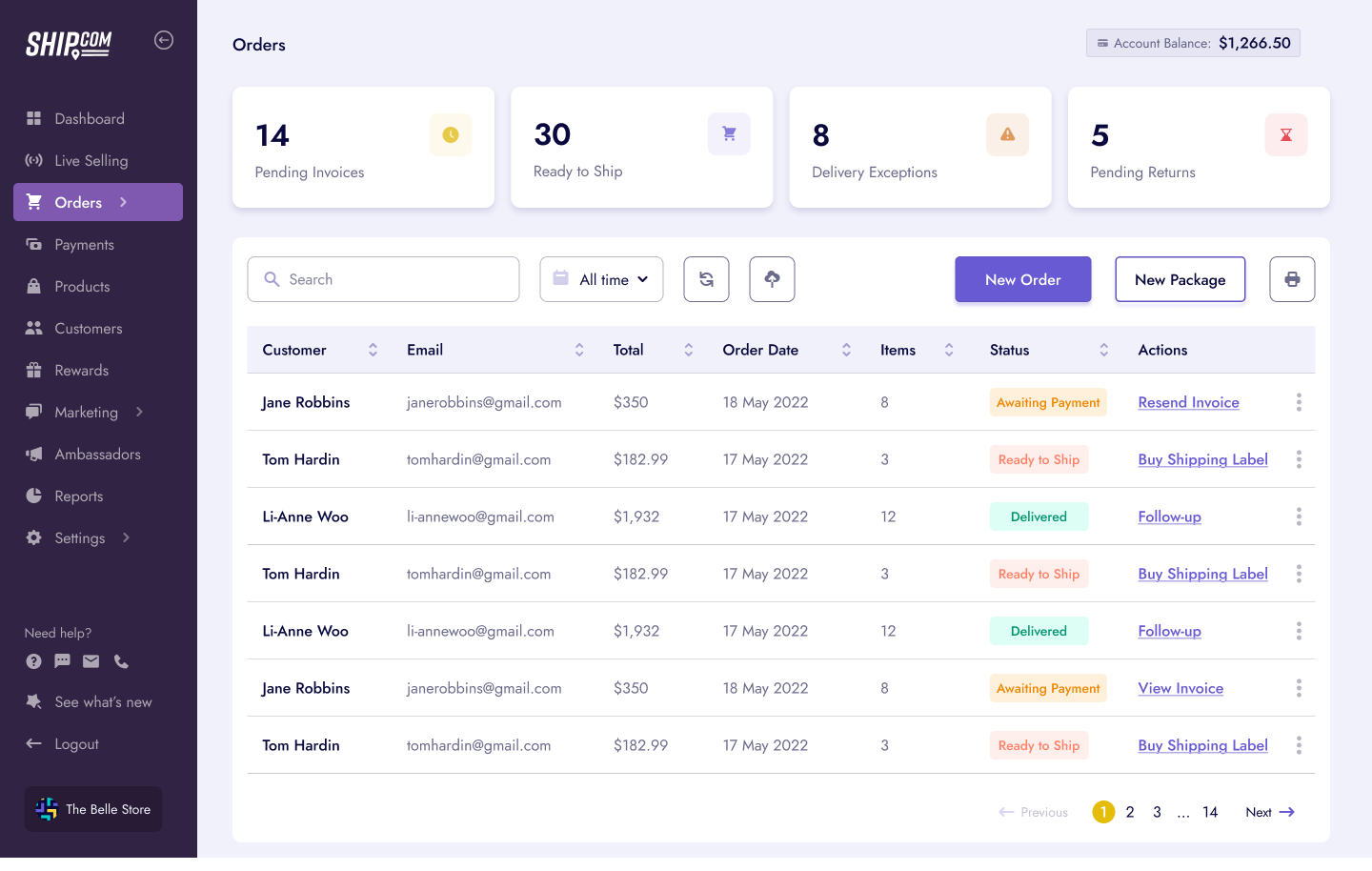 Ship.com orders before redesign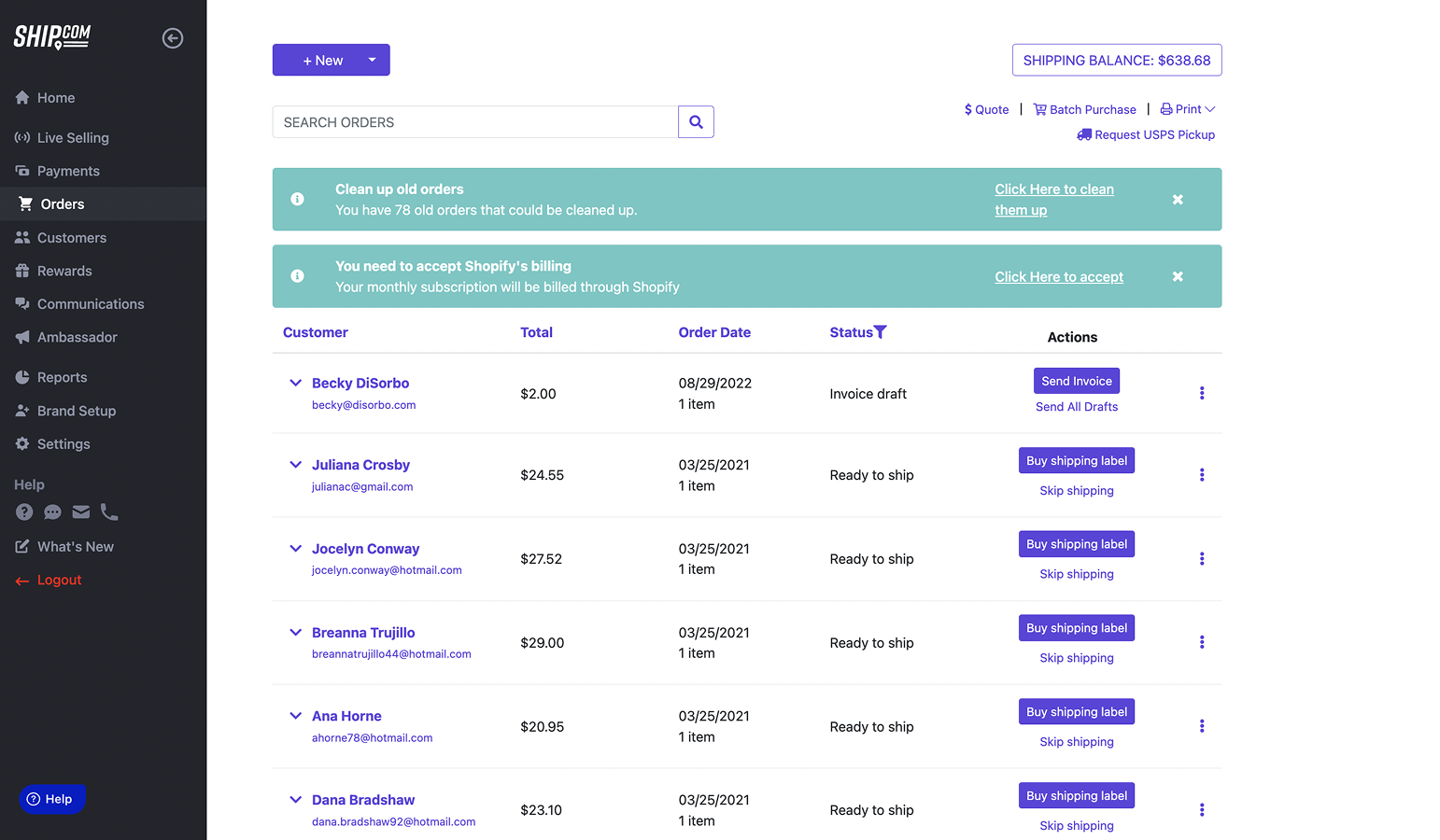
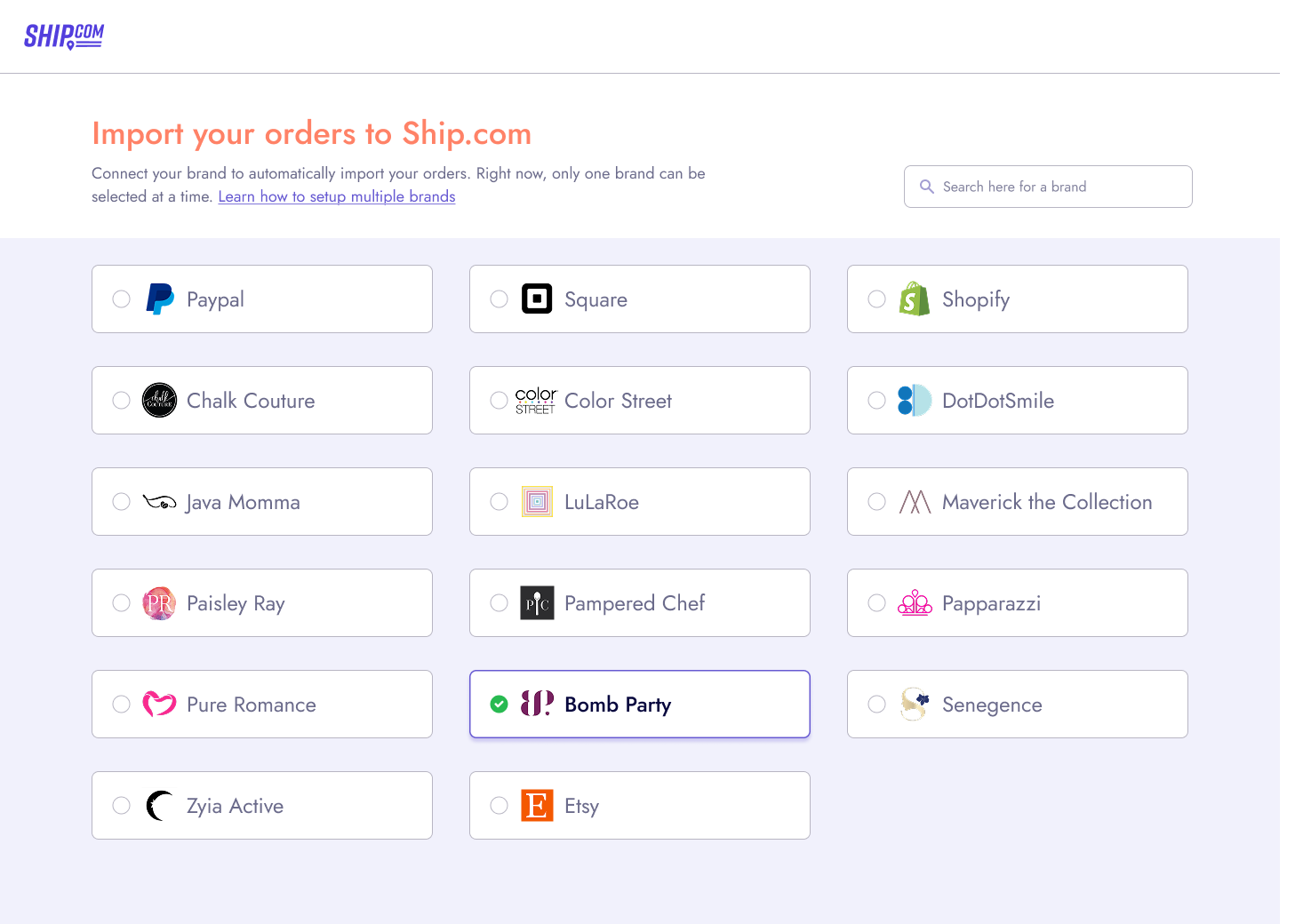 Ship.com integrations before redesign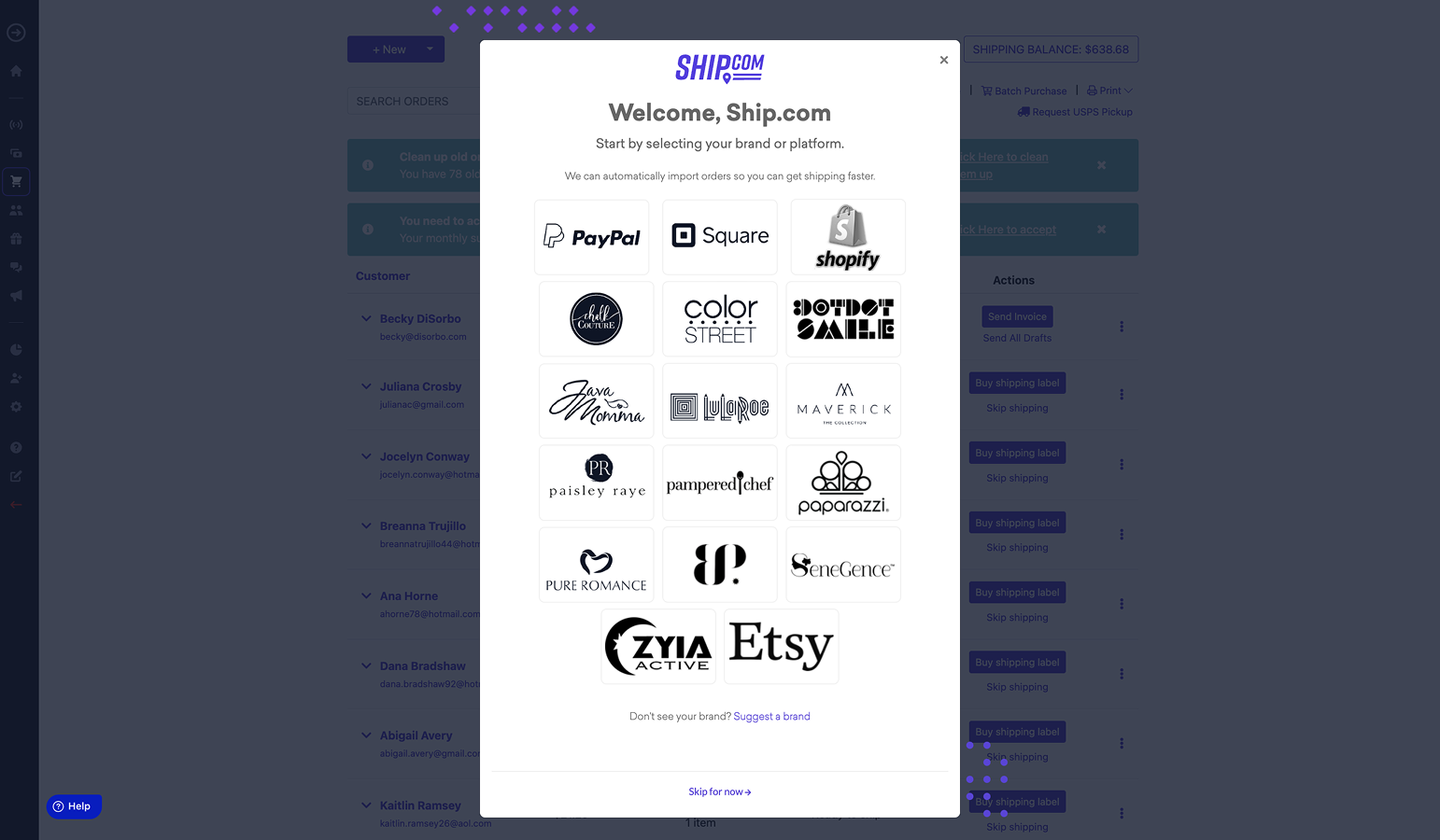
“The goal was for customers to experience the live selling product and the shipping platform as one.”
Outcome
The integrated platform improved retention and onboarding for new users.
The redesign brought the live selling product into the shipping platform as a single experience. It improved retention and the onboarding of new users, and gave Ship.com an integrated live selling offering in support of its plan to grow market share.
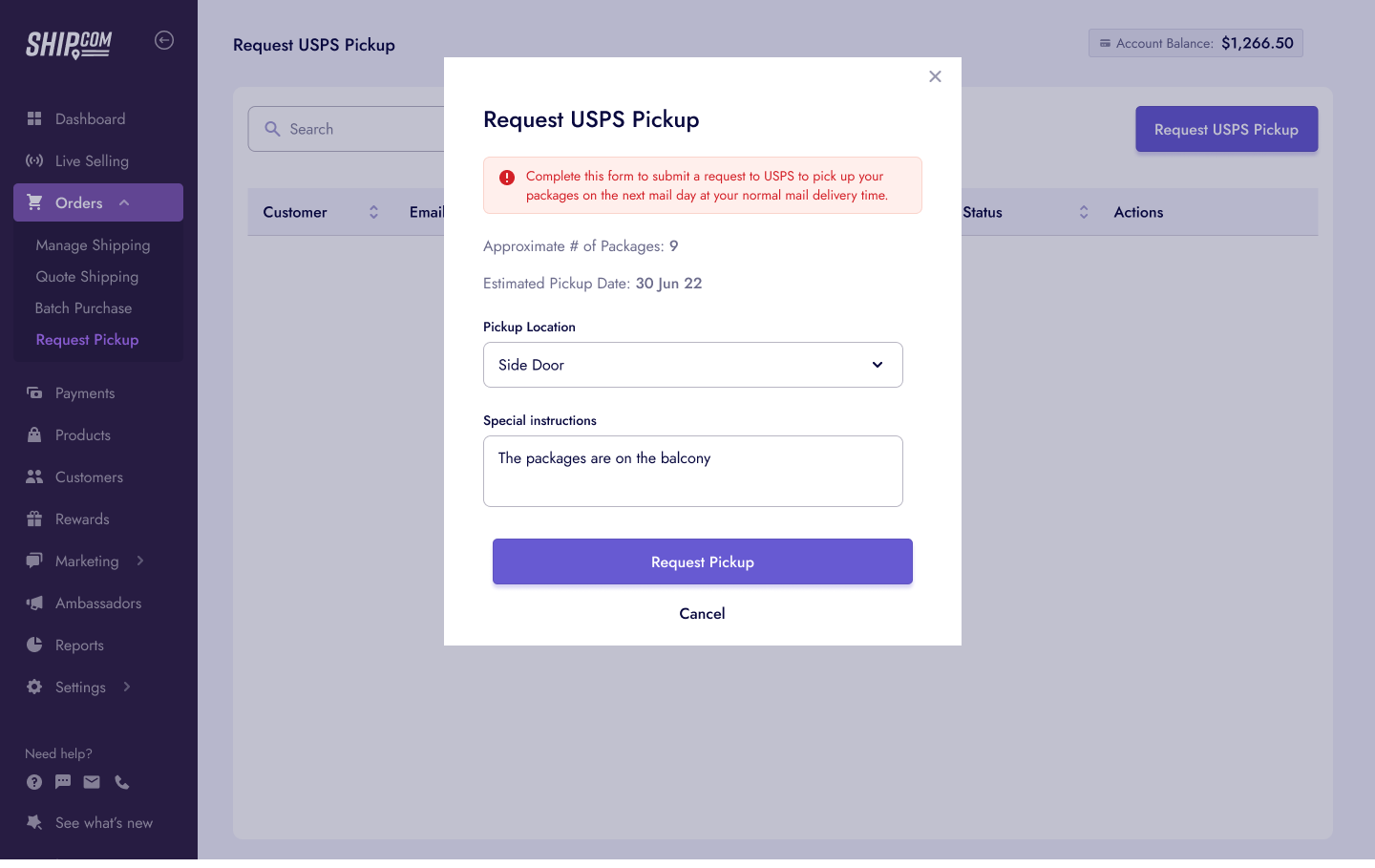 Ship.com delivery settings before redesign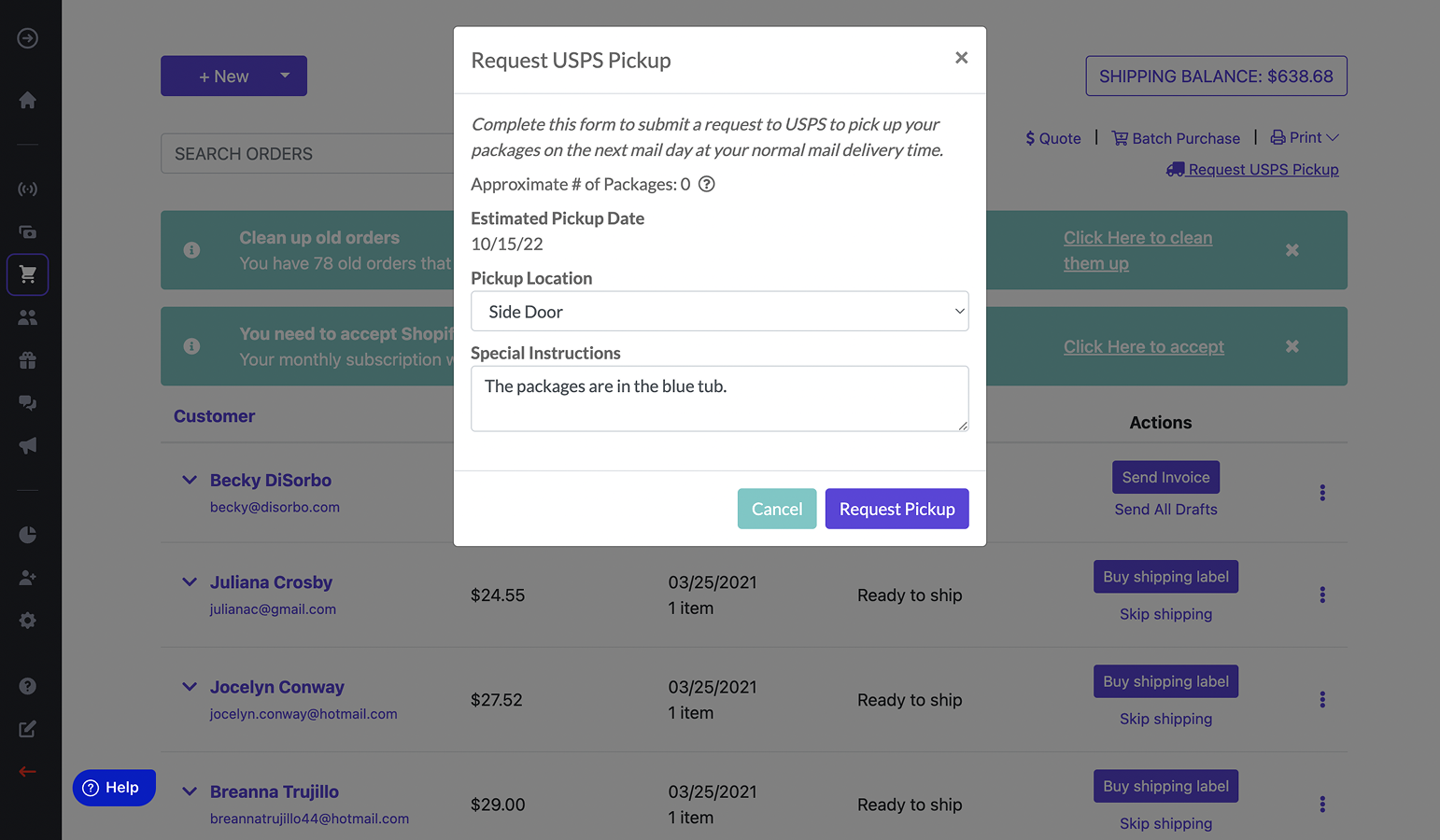
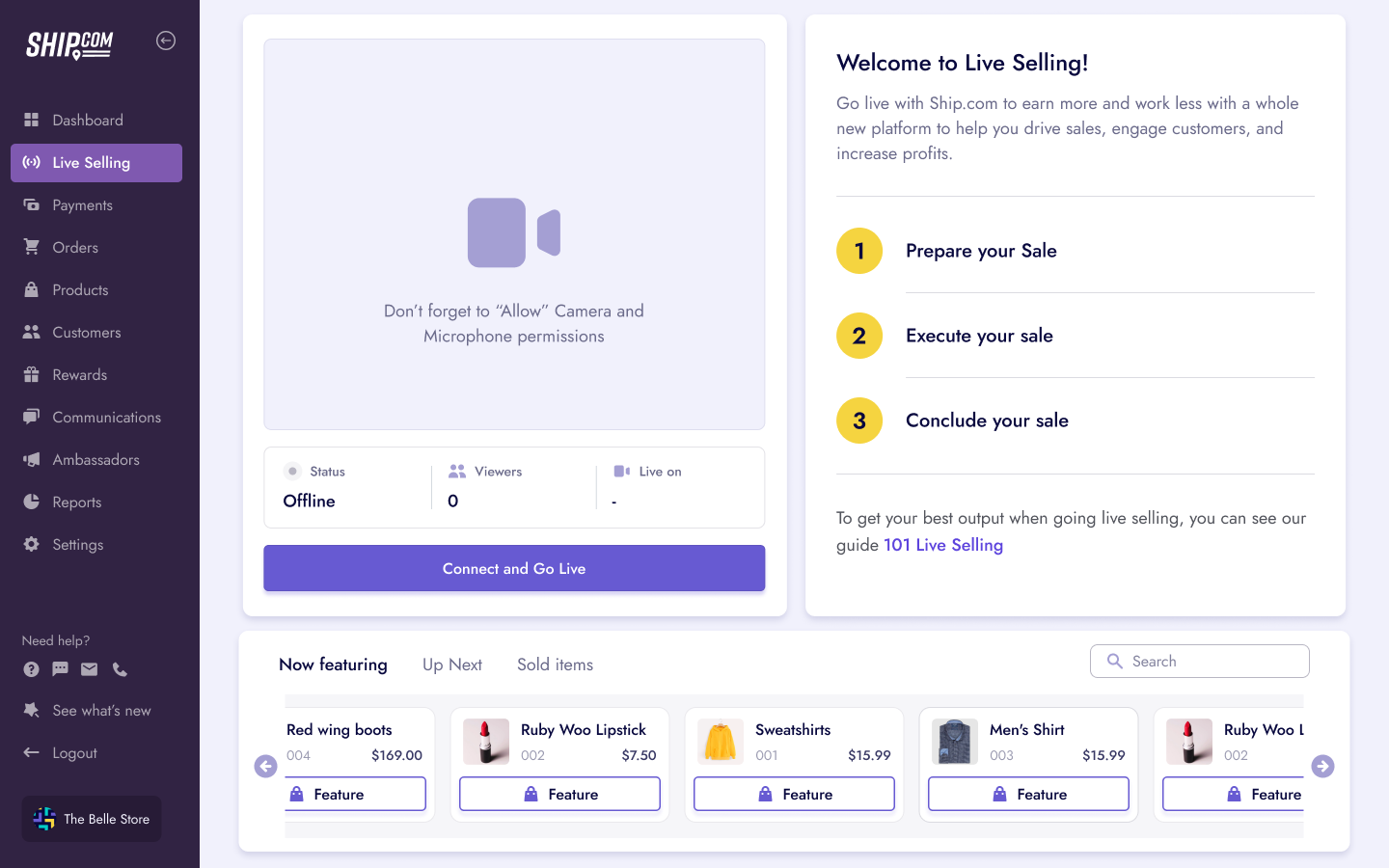 Ship.com live selling before redesign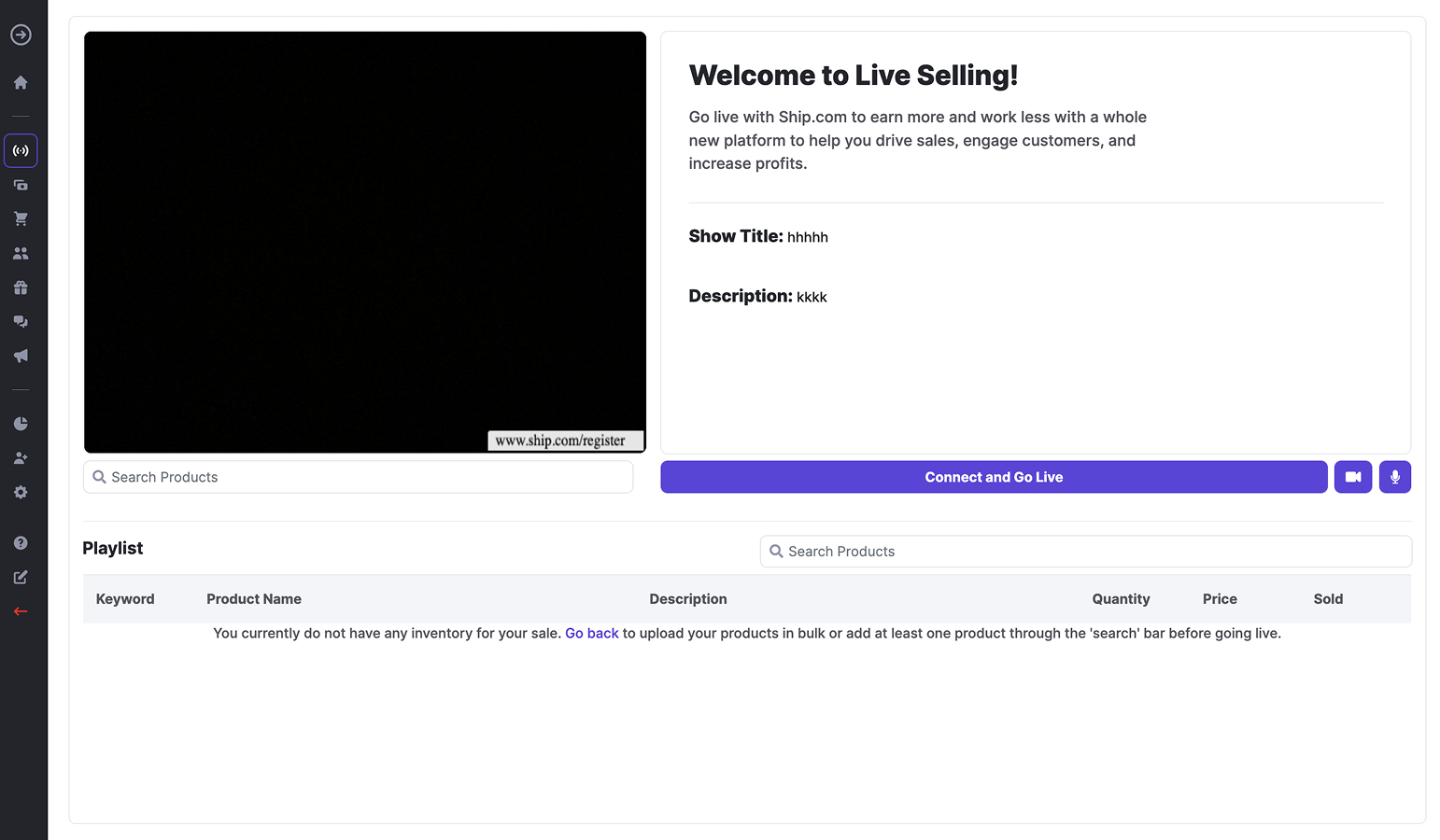
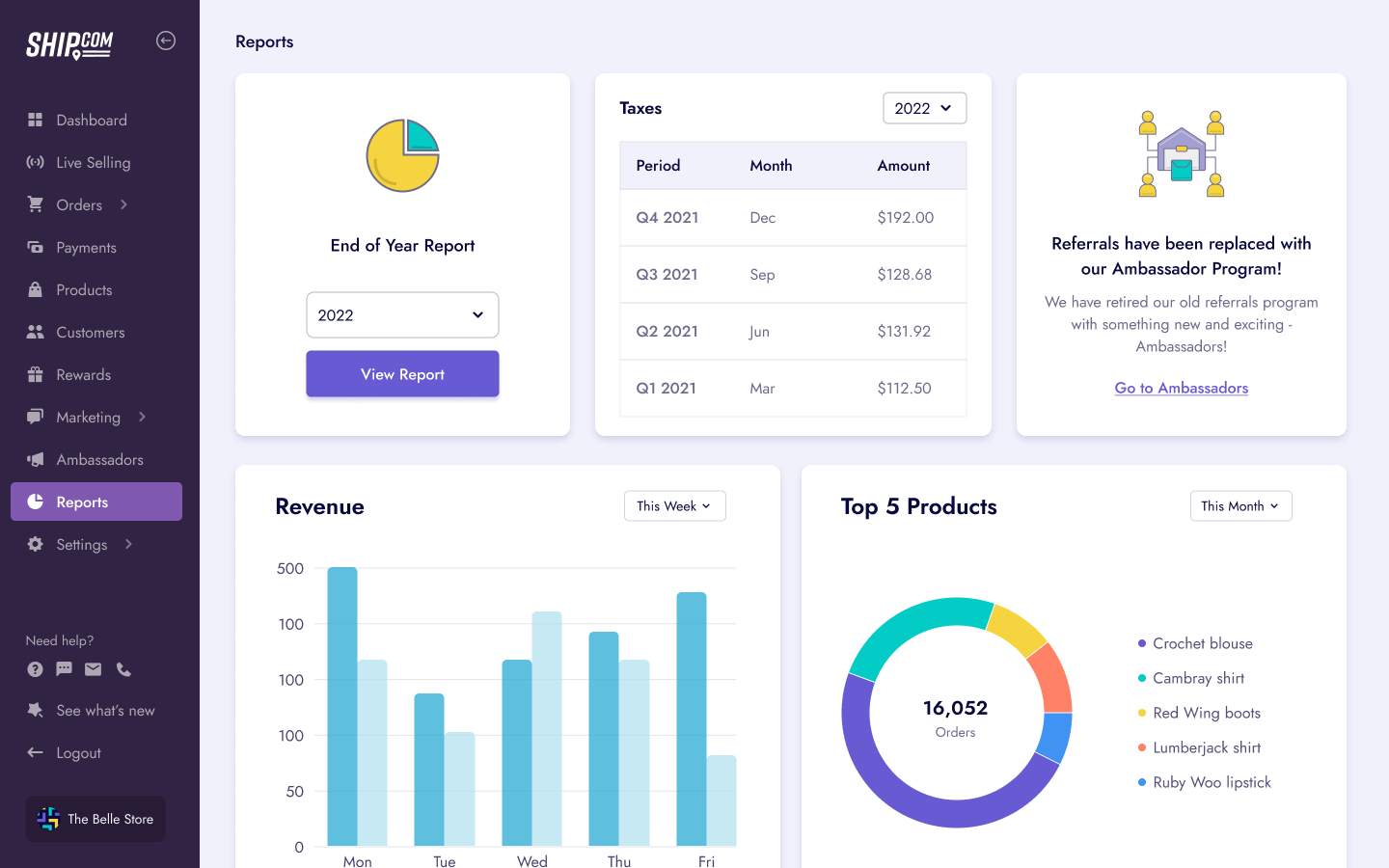 Ship.com reports before redesign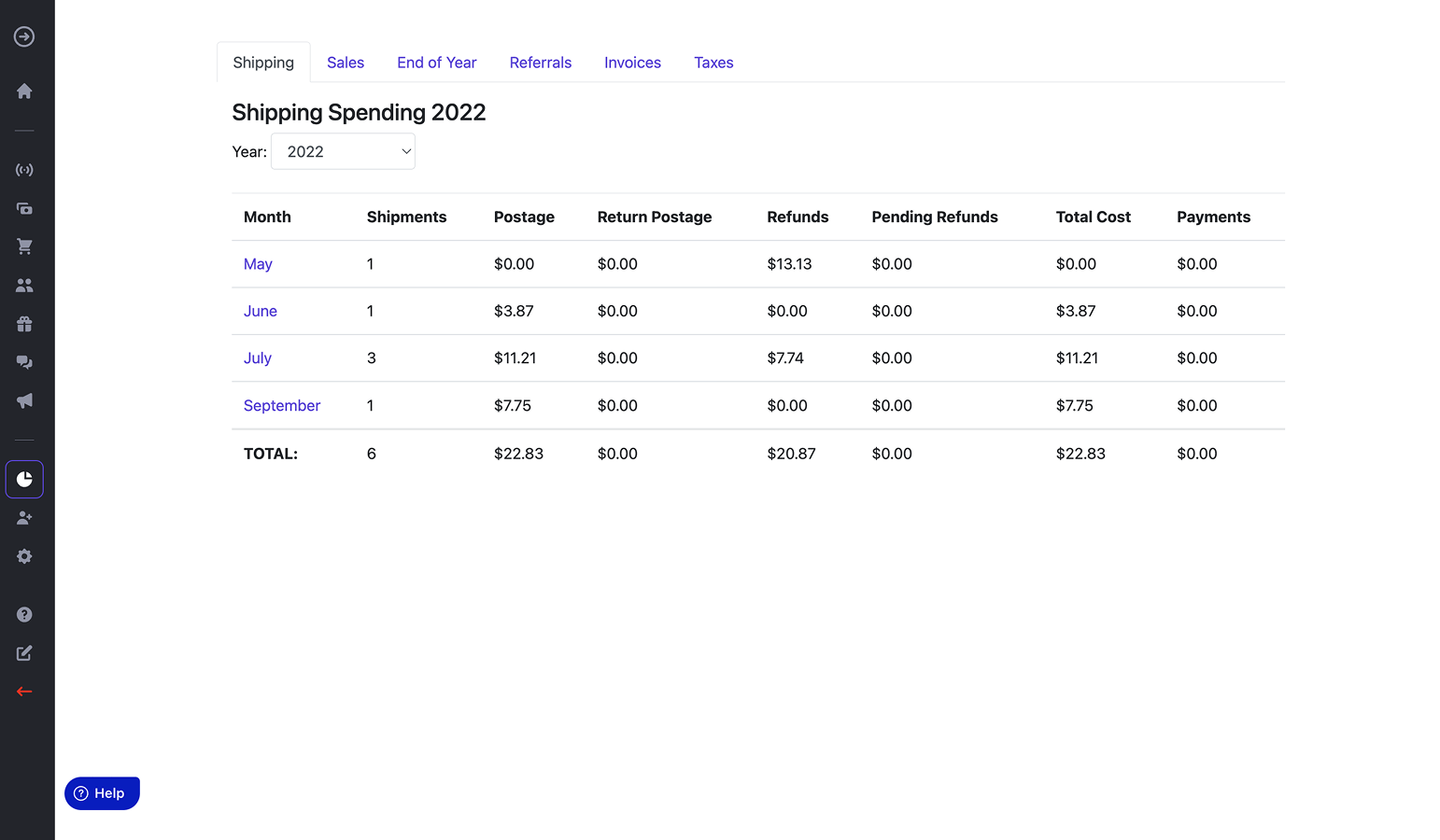
Reflection
The integration relied on keeping product, engineering and leadership close to the design work. Starting with workshops and research alongside the CEO, the head of product, the senior product manager and the engineering lead, and continuing with weekly design reviews, meant the live selling product and the shipping platform were considered together at every stage. Post-release monitoring in FullStory then showed where to refine next.